Docker
What is Docker and why it is used?

What is Docker and why it is used?
Behind every AI product is a stack of GPUs, schedulers, and cost controls — here’s what running ML workloads in the cloud actually involves.
Discover the Magic of Cloud Computing!
How three open-source tools combine into one pipeline that turns scattered logs into searchable, visualized data.
Graylog centralizes and searches logs like ELK does, but with a smaller operational footprint — here’s when that trade-off makes sense.
Kubernetes turns a pile of containers into a self-healing, auto-scaling system — here’s how pods, deployments, and services actually fit together.
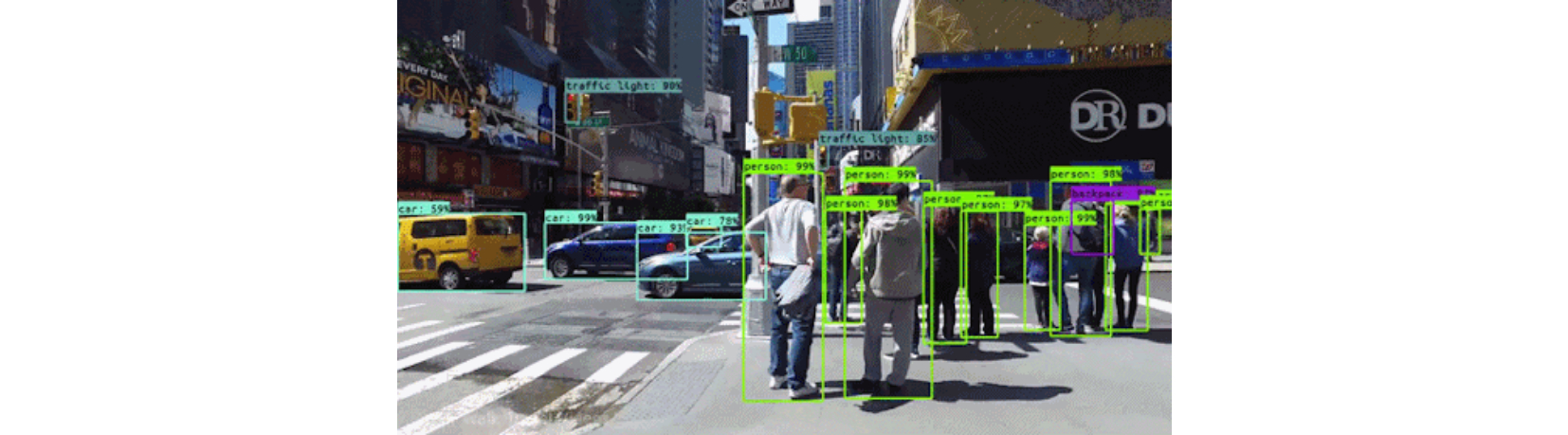
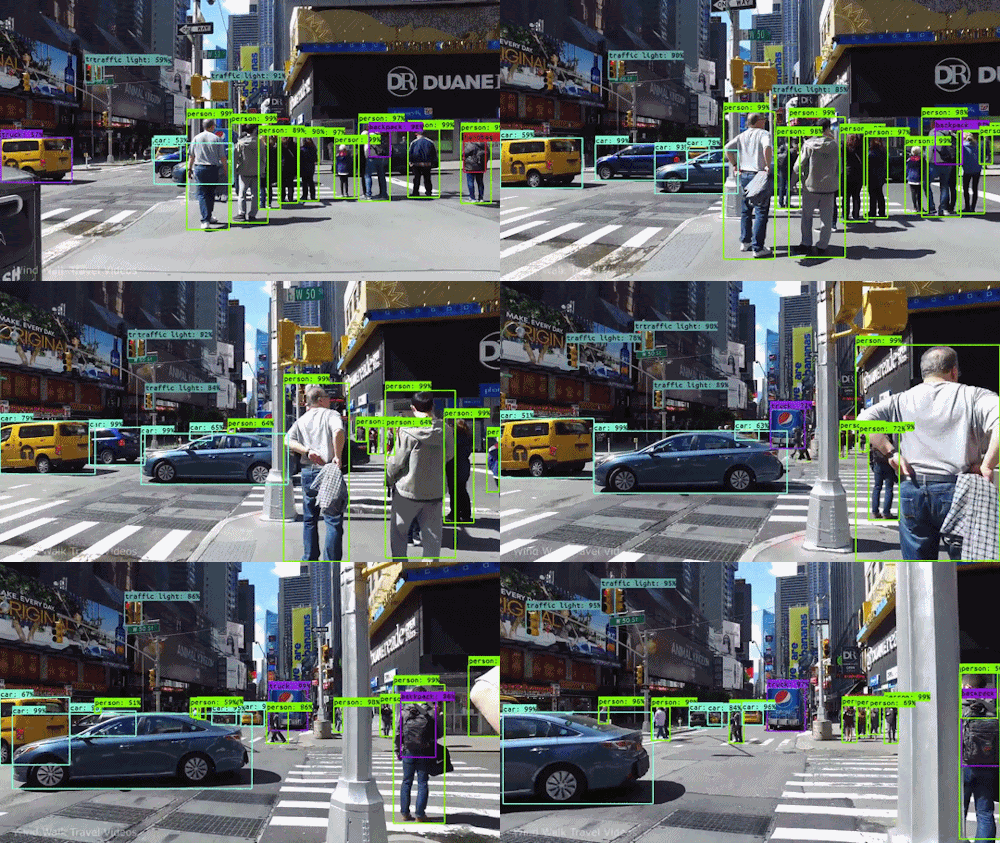
Everything You Ever Wanted To Know About Computer Vision.
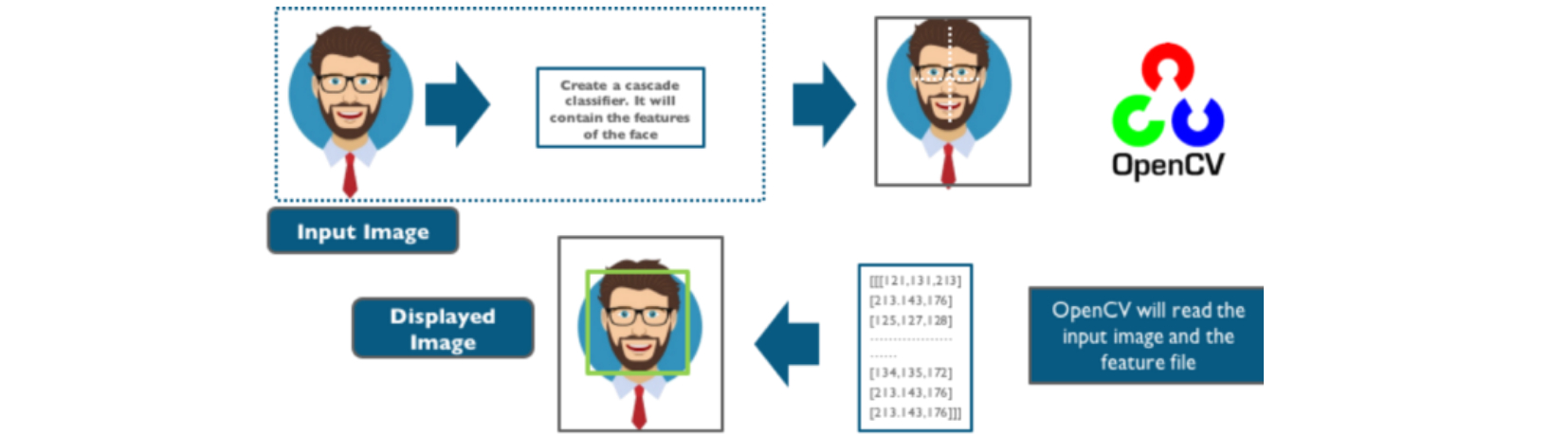
Learn how to develop a face identification system Using Haar cascade classifier in PYTHON using OpenCV
FACE DETECTION Using Haar cascade classifier in PYTHON using OpenCV
Why classic OCR struggles with real-world documents, and how deep-learning-based pipelines read text, tables, and forms in context.
How SAM lets you segment any object in an image using a point, a box, or a prompt — no retraining, no predefined class list.
How models like GPT-4o, Gemini, and LLaVA fuse a vision encoder with a language model so they can describe, read, and reason about images.
How YOLO looks at an image once and tells you what’s in it and where, fast enough to run on live video.
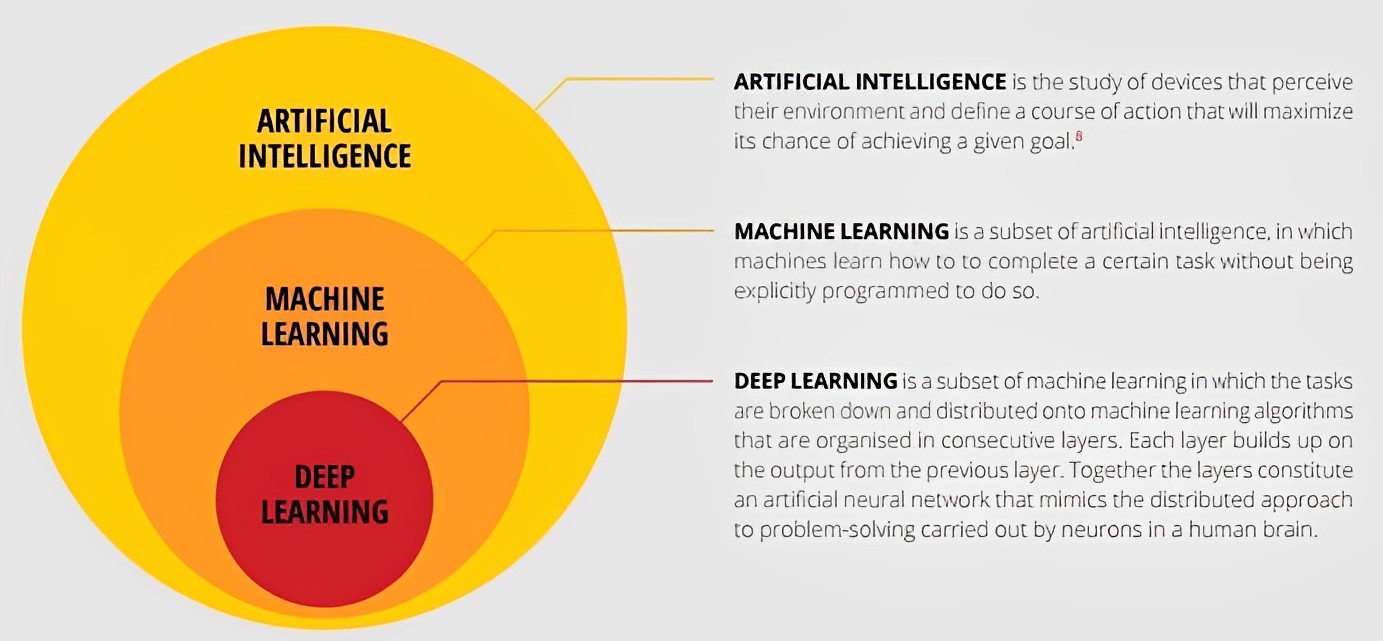
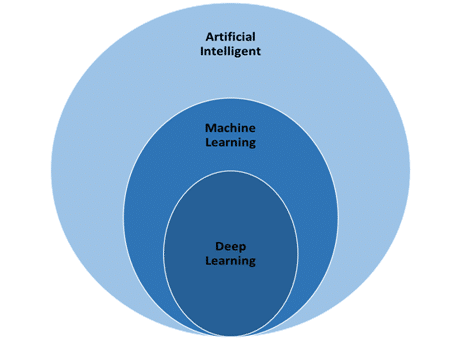
Chronicles of Deep Learning.
why we need to know about Deep Learning.
LLMs are, mechanically, a stack of transformer layers predicting one token at a time. Here’s how that simple idea, scaled up, produces something that can hol...
Why updating billions of frozen weights is wasteful, and how a couple of small low-rank matrices can do the job instead.
How routing each input to only a few ‘expert’ sub-networks lets models grow to trillions of parameters without a proportional compute bill.
Before transformers, MoE, or Mamba make sense, you need the fundamentals: what a neuron computes, how a network learns, and why ‘deep’ just means ‘more layer...
An LLM’s knowledge is frozen at training time and crammed into its weights. RAG sidesteps both problems by letting the model look things up instead of memori...
Why attention gets expensive as sequences grow, and how Mamba borrows ideas from control theory to process long sequences in linear time.
Neural networks only understand numbers. Tokenization is the step that turns ‘Hello world’ into something a model can actually compute on — and the choices m...
How the transformer architecture that took over NLP learned to see images, one patch at a time.
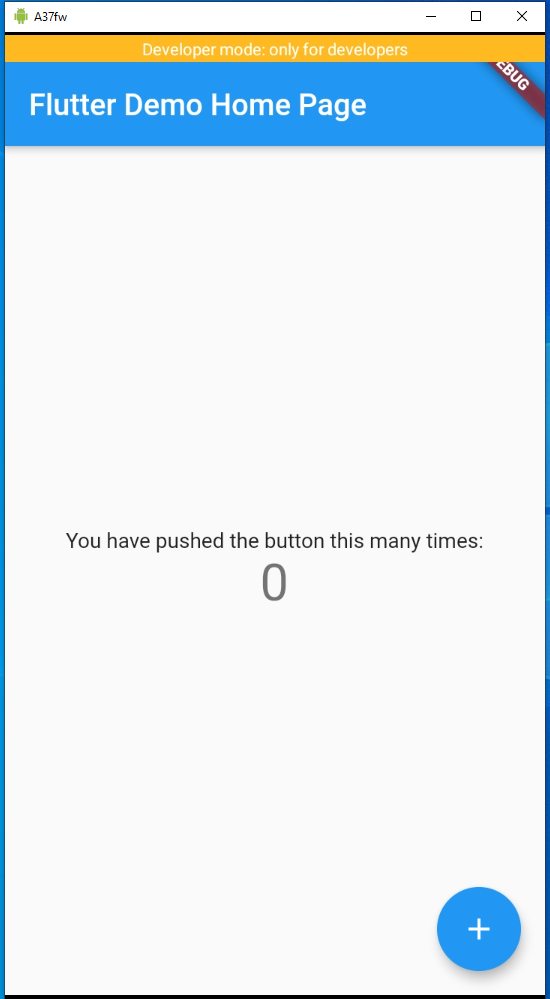
Guide to install flutter
How Flutter runs inside a browser tab at all, and why compiling to WebAssembly instead of JavaScript makes it noticeably faster.
GetX bundles reactive state management, dependency injection, and BuildContext-free navigation into a single lightweight library.
Why Flutter rebuilt its rendering pipeline from scratch, and how Impeller kills the shader-compilation jank that plagued Skia.
A compile-safe, testable way to share and rebuild state in Flutter that fixes the pain points of setState and Provider.
Essentials of the Machine Learning algorithm in Python
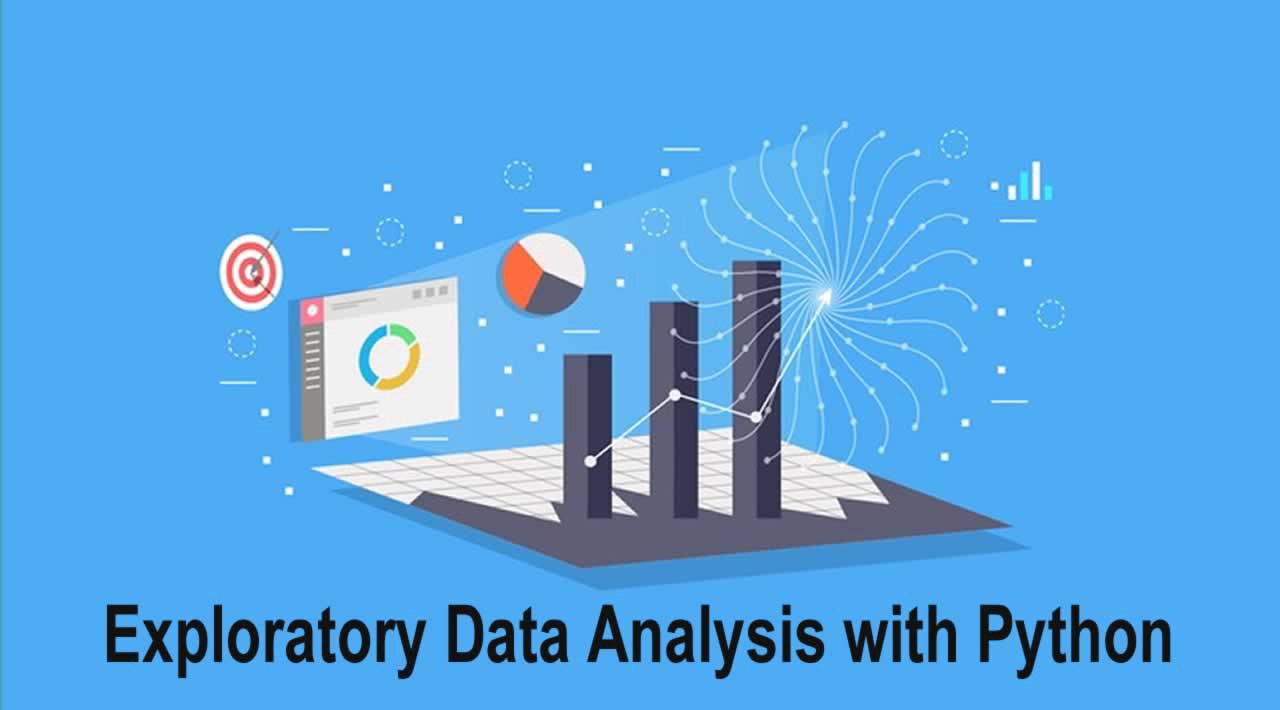
Exploratory Data Analysis refers to the critical process of performing initial investigations on data.
An Extensive Step by Step Guide to Exploratory Data Analysis
Under-Construction
Planning, tool use, memory, and autonomous multi-step execution are what separate an agentic AI system from a plain chatbot — here’s how it actually works.
AutoML automates feature engineering, model selection, and hyperparameter tuning — but knowing when to trust it (and when not to) is the real skill.
MLOps turns messy notebook experiments into reproducible, deployable, monitored systems — and MLflow is one of the most popular open-source tools for doing it.
How embeddings, vector search, and Retrieval-Augmented Generation combine to ground LLM answers in real data and cut down hallucination.
A beginner-friendly introduction to React: what it is, why it exists, and how to build your first component.
A practical guide to the Next.js App Router — the app/ directory, nested layouts, and how it’s built on top of React Server Components.
Learn how React Server Components move rendering work off the client, shrink your JavaScript bundle, and change how you think about data fetching.
Why fetching data with useState and useEffect gets messy fast, and how TanStack Query’s useQuery hook handles caching, refetching, and loading state for you.
How Zustand gives React apps simple global state without Redux’s boilerplate, and when to choose it over Context or Redux.
Under-Construction
How agentic coding tools differ from autocomplete, what a typical agent workflow looks like, and how to review AI-generated code responsibly.
What Google’s Core Web Vitals actually measure, why they affect both SEO and real user experience, and concrete steps to improve each one.
Learn what edge functions actually are, why running code near the user beats a single centralized server region, and how to write one.
A practical introduction to WebAssembly — what it is, why it lets languages like C++, Rust, and Dart run near-natively in the browser, and where it’s actuall...